
We all carry our own ideas about what a good life, and a good death, look like. This is one writer’s take, built on years of reporting and her own family’s experience. It will not match everyone’s beliefs or faith traditions, but it offers a useful starting point for planning ahead.
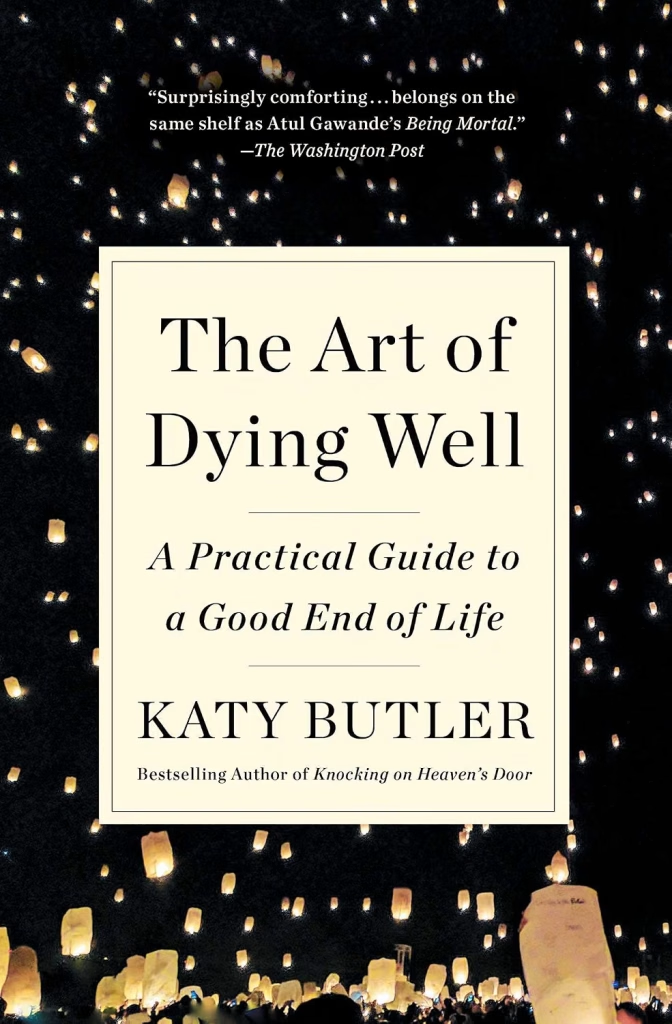
Katy Butler, a journalist, wrote The Art of Dying Well: A Practical Guide to a Good End of Life in 2019. She had already written about her own parents’ prolonged decline in an earlier book. This book argues for living as well as possible for as long as possible, and adapting successfully to change as the body ages.
What readers will find
The book walks through later life in stages, from an active older adult still bouncing back from health issues, to the final days of a serious illness. Readers get practical checklists at each stage: building reserves while healthy, finding the right doctors, weighing medical risks, and preparing for a peaceful death at home, in a nursing home, or in a hospital.
Preparing while you still can
The core message is to prepare before a crisis forces the decisions. A few concrete steps the book points to:
- Advance directives. These are legal documents that state your wishes for medical care if you cannot speak for yourself. They typically include a living will (what treatments you do or do not want) and a health care proxy or power of attorney (who can make decisions for you).
- POLST or MOLST forms. These are Physician Orders for Life-Sustaining Treatment forms, used later in serious illness. They let a person choose a level of care, from comfort care to full treatment.
- A medical advocate. Someone who knows your wishes and can speak up for you in appointments or emergencies.
- Early conversations. Talking with family about what matters most to you, before a health crisis makes the conversation harder.
You must be logged in to post a comment.